
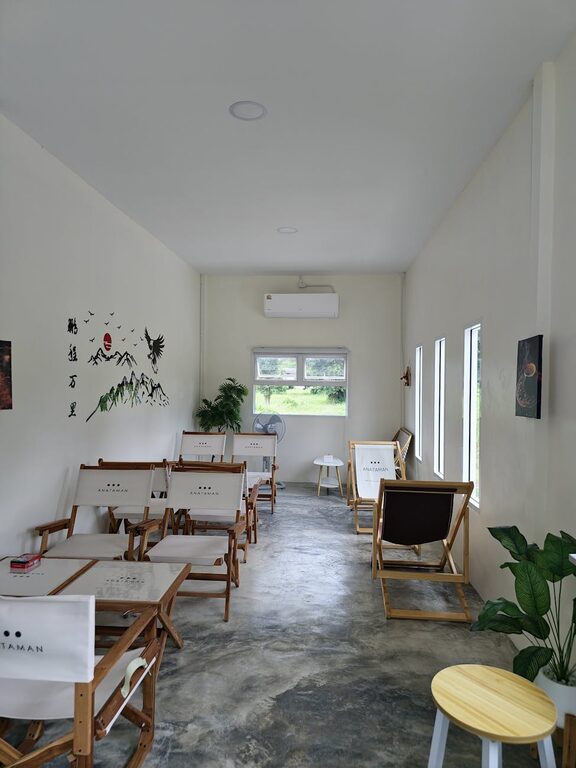
A dark room can feel small, gloomy, and less inviting. Whether your space lacks natural light or has dark walls and furnishings, there are plenty of quick and easy ways to brighten it up. You don’t have to invest in expensive renovations to transform a dark room into a cheerful and welcoming spot. With a few simple changes in lighting, color, and decor, you can create a fresh, lighter atmosphere that makes the room feel larger and more comfortable.
In this post, we’ll explore practical tips and ideas to brighten a dark room quickly and effectively.
—
Why Brighten a Dark Room?
Before diving into the tips, it’s helpful to understand why brightening your space matters:
– Mood improvement: Bright rooms tend to lift your spirits and make you feel more energized.
– Better functionality: Adequate light makes it easier to perform daily tasks like reading, cooking, or working.
– Visual appeal: Bright rooms look cleaner, airy, and more inviting.
– Space perception: Light colors and good lighting tricks can make a small room appear larger.
—
1. Maximize Natural Light
Natural light is the best source for brightening any space. Here are ways to increase how much sunlight your room receives:
Keep Windows Clear
– Remove heavy curtains or replace them with sheer, light-filtering fabrics.
– Clean windows regularly to ensure maximum light penetration.
– Avoid placing bulky furniture or items directly in front of windows.
Use Reflective Surfaces
– Add mirrors opposite or near windows to bounce light around the room.
– Choose furniture or decor with glass, chrome, or glossy finishes to reflect light.
Consider Window Treatments
– Use blinds that can be tilted to direct light inside while maintaining privacy.
– Light-colored shades can diffuse sunlight softly without darkening the room.
—
2. Introduce Effective Artificial Lighting
When natural light isn’t enough, strategic artificial lighting can make a huge difference.
Use Layered Lighting
Layer your lighting with a combination of ambient, task, and accent lights:
– Ambient lighting: Ceiling fixtures like flush mounts or chandeliers provide overall illumination.
– Task lighting: Desk lamps, reading lights, or under-cabinet lights help with specific activities.
– Accent lighting: Wall sconces, LED strips, or floor lamps add warmth and depth.
Opt for Bright, Warm Bulbs
– Choose LED bulbs with 2700K–3000K color temperature for a warm but bright glow.
– Consider bulbs with high lumen output to brighten larger or darker rooms effectively.
Add Dimmer Switches
– Dimmer switches allow you to adjust light levels depending on the time of day or mood.
– They also save energy and extend the life of your bulbs.
—
3. Choose Light and Neutral Colors
The colors you use in your room can significantly affect how light or dark it feels.
Paint Walls in Light Shades
– Whites, creams, soft pastels, and light grays reflect more light than deeper hues.
– Semi-gloss or satin finishes also bounce light better than flat paint.
Select Light-Colored Furniture and Textiles
– Opt for upholstery, rugs, and curtains in pale colors or subtle patterns.
– Avoid heavy dark fabrics that absorb light and add to the gloom.
Use Color Strategically
– Paint one wall a bright accent color to add interest without overpowering the space.
– Add colorful decor items like cushions, throws, or artwork for pops of brightness.
—
4. Declutter and Simplify the Space
A cluttered room can feel cramped and dark even if it has adequate lighting.
Keep Surfaces Clear
– Remove unnecessary items from tables, shelves, and floors.
– Use storage solutions like baskets or bins to keep things tidy.
Choose Minimalist Decor
– Select a few quality pieces rather than many small cluttered items.
– Stick to streamlined furniture with simple lines to keep the room feeling open.
—
5. Use Reflective and Light-Enhancing Accessories
Small design choices can amplify light and add brightness.
Place Mirrors Thoughtfully
– Large mirrors can visually double the amount of light and space.
– Mirrors near light sources maximize their brightness effect.
Add Metallic or Glass Accents
– Decorate with lamps, picture frames, or vases in silver, gold, chrome, or glass.
– These materials reflect light and add sparkle.
—
6. Incorporate Natural Elements
Natural elements can freshen a room visually and make it feel more vibrant.
Add Green Plants
– Plants bring life and texture, contrasting nicely with neutral backgrounds.
– Choose plants that thrive in low light if natural sunlight is limited.
Use Light Wood Tones
– Furniture or flooring in blonde or natural wood colors brighten a room while adding warmth.
—
7. Consider Practical Layout Changes
How you arrange your furniture can impact light flow and openness.
Avoid Blocking Light Sources
– Position large pieces away from windows and light fixtures.
– Ensure pathways allow light to travel freely through the room.
Create Open Sight Lines
– Use open-backed furniture or floating shelves to avoid visual barriers.
– Arrange seating to face natural light sources when possible.
—
Final Thoughts
Brightening a dark room is easier than it seems, and the results can dramatically uplift your home’s atmosphere. By combining better lighting, lighter colors, thoughtful decor, and smart layouts, you can transform any gloomy space into a bright, cheerful retreat. Start with one or two changes and enjoy the difference they make—your room will thank you!
—
Remember, even small tweaks like swapping heavy curtains for sheers or adding a mirror can light up your space quickly and affordably. Happy decorating!